Keeping a taxi or fleet relocating is a activity of mins. Every hour with a auto parked other than rolling translates to ignored fares, delayed deliveries, and frustrated customers. Glass injury turns out small compared with engine points or brake failures, yet a cracked windshield can sideline a auto just as effectively as a blown tire. I actually have worked with fleets that run 20 trucks and others that run 2,000, and the trend holds: the fleets that get proactive about vehicle glass replacement spend much less, avert drivers safer, and endure fewer ultimate‑minute scrambles.
This isn’t practically swapping glass. It’s about understanding how glossy windshields hold sensors for driver assistance, how insurance treats fleet incidents, how adhesives treatment at different temperatures, and methods to layout a carrier plan that covers 24‑hour operations without disrupting routes. The specifics matter, and the cost of getting them wrong reveals up quickly.
What makes fleet glass distinct from retail jobs
A single retail process is a one‑off: change a windshield, get the shopper on their method, perchance propose wiper blades. Fleets run on repeatable processes. Standardization, time-frame guarantees, and transparent documentation are as substantive because the actual setting up. With taxis, ride‑hail sedans, trucks, and mild trucks, the wear and tear pattern could also be the several. City riding manner commonly used particles moves from creation windshield repair Spartanburg SC sites and trucks, plus temperature swings that flip a chip into a long crack overnight. Highway fleets get sandblasting on the glass through the years, which reduces readability even devoid of glaring cracks. After 18 to 24 months of heavy use, many windshields develop a everlasting haze that glares in low sun. It’s uncomplicated to overlook, and drivers compensate by leaning ahead, then they stop a season with greater fatigue and slower response instances.
Many fleet autos now carry ADAS supplies precise on the glass. A normal sedan could have lane departure and forward collision cameras established near the reflect. Larger trucks may have rain sensors and gentle sensors embedded in the windshield. That increases the complexity. You’re now not just doing windshield alternative, you’re doing away with and reinstalling machine that calibrates to millimeters. If you pass recalibration or attempt to reuse a bracket with a hairline bend, you introduce a diffused blunders that merely reveals up whilst the automobile drifts throughout a line and the alert fires late. That’s now not a hypothetical. I’ve considered a fleet roll out ten new windshields without calibrations to save time, then soak up two minor fender‑benders in the next month. The frame ruin value extra than a suitable calibration might have.
Safety and compliance are living inside the details
Taxi regulators and advertisement insurers care approximately glass. They will not notice it that method, yet you may think it in the time of inspections and declare evaluations. Visible cracks inside the driving force’s discipline of imaginative and prescient are a direct red flag in such a lot jurisdictions. A wavy aftermarket piece of glass can distort the view, chiefly alongside the passenger edge, and may yield a failed inspection. Wiper sweep zones additionally rely. If a crack rests within the swept house in front of the driver, many states examine the car not worthy until eventually repair.
Beyond the legalities, take into account airbag deployment. In present day automobiles, the windshield kinds part of the entrance constitution. The passenger airbag more often than not is based on the windshield to soak up the initial thrust and role the bag successfully. If the glass bond is vulnerable in view that the urethane wasn’t well suited or the prep floor had moisture, the windshield can separate less than load. You can’t see this hindrance even as the car sits nonetheless. It merely shows up in an coincidence, which is precisely whenever you don’t wish a wonder. I’ve grew to become down jobs when a funds adhesive used to be asked for speed. Fast is ideal, however dependable and repeatable is non‑negotiable.
When to restoration and while to replace
Chips and quick cracks can most commonly be repaired if stuck early. In a fleet setting, I indicate a doable rule: any rock chip smaller than a quarter and now not inside the driver’s valuable line of sight is a fix candidate within 48 hours. Wait longer and thermal cycling, wiper stress, or a pothole hit can propagate the crack. Once a crack reaches six inches or intrudes on the motive force’s direct view, replacement is smarter. Repairs shop time and money, yet a deficient‑high-quality restore that leaves a seen blemish in front of the driving force will become a every single day annoyance and will nevertheless fail inspection.
Climate performs a role. In sizzling markets, windshields increase in the solar then contract with the AC blasting opposed to the interior floor. That rigidity turns borderline chips into spidering cracks. In cold climates, even a minor defroster temperature differential can break up a chip line by using line. Adjust your restoration window as a result. For some fleets, a weekly chip‑restoration sweep reduces annual replacements via 10 to twenty percent. The numbers vary, but the rhythm is predictable if you track incidents.
OEM, broker, or aftermarket glass: what unquestionably matters
I pay attention this query continuously: do we need OEM glass for each car or truck? The straightforward solution is nuanced. OEM glass manner usual machinery brand, ordinarily the related business enterprise that made the glass for the motor vehicle meeting line. It has a tendency to healthy properly, with consistent optics. Premium aftermarket glass might also be astounding, sometimes coming off the related creation lines with out the automaker brand. Low‑cease aftermarket items vary, with optical distortion at the sides, poor frit caliber, and inconsistent bracket placement. If you run top‑mileage taxis that depend on digital camera methods fixed on the glass, the probability of deficient more healthy or mild curvature can cascade into calibration headaches.
What concerns so much is the combination of glass exceptional and the correct hardware package, accompanied via technician potential. I like providers who can provide lot traceability and who put up optical distortion specs, now not just common claims. For a blended fleet, a balanced policy works: prioritize OEM or Tier‑1 aftermarket for vehicles with difficult ADAS, and enable top‑high quality aftermarket for less difficult vehicles that simply require a rain sensor or replicate bracket. For traditional taxis with no sensors, check rate reductions from respectable aftermarket glass are significant with few downsides.
ADAS recalibration shouldn't be optional
If your cars have ahead‑going through cameras or lane avoid programs, count on recalibration after windshield alternative. Some motors assist dynamic calibration on a street pressure less than particular conditions. Others require static calibration with pursuits in a managed bay. The tooling expenditures are truly, and so they justify opting for a service partner who has invested in right kind machinery and training. Field phone calibration can work, yet it wishes space, stage flooring, and controlled lighting fixtures. Street calibrations outdoor a depot are you can, nevertheless they take discipline and time.
The maximum frequent failure mode I see is overconfidence. Techs suppose a bracket reinstalled “seems to be awesome” and skip a calibration. Then motive force indicators transform inconsistent. On a good sized fleet in which small error compound, that inconsistency feeds driving force mistrust of the system. Once drivers discontinue believing the indicators, the protection price drops. Align your coverage with the car brand’s techniques, then audit a random sample. Ask for calibration printouts and graphic captures when conceivable. If a seller won't be able to provide documentation, you might’t show compliance to an insurer after a collision.
Adhesives, therapy occasions, and the reality of downtime
A taxi operator hears “two‑hour safe pressure‑away time” and thinks, super, the auto shall be to come back in provider earlier than lunch. That shall be actual, however the factual international complicates matters. Safe power‑away time depends at the adhesive used, temperature, humidity, and the scale of the glass. Cold climate can double or triple healing occasions. If you push a car or truck back into rough carrier too early, you probability bond failure underneath pressure or air leaks that demonstrate up a week later. Good urethanes provide predictable medication windows, but they nevertheless require surface prep, primer dry times, and regular bead application.
For fleets that run 24 hours, we ordinarilly agenda nighttime installs so the auto sits overnight within the depot. In chillier months, transportable warmers aid maintain treatment circumstances within variety, however be cautious with space heaters pointed directly on the glass, which could create warm spots and stress. Rotating trucks so one subset gets changed on Monday nights, yet one more on Wednesday, spreads the burden and maintains drivers from scrambling for a final‑minute change.
Mobile carrier as opposed to in‑save work
Mobile car glass carrier is helpful for fleets. Cars don’t leave the depot, scheduling is more straightforward, and technicians can finished a number of jobs in a row. The boundaries show up with ADAS and calibration environments, excessive climate, and not easy cars. In‑shop work ensures good lights, stage floors, and aim distances for static calibrations. It additionally facilitates in windy situations wherein grime compromises adhesive bonding. A hybrid adaptation frequently wins: use mobile for user-friendly windshield substitute and all rear or part glass replacements, and course ADAS‑heavy autos or situation jobs to the store. This procedure reduces redo rates, which quietly eat margins whenever you don't seem to be tracking them.
Driver habit and small habits that slow the damage
Glass damage charges matter now not solely on routes but on how drivers treat the car or truck. I’m not talking about blame, simply patterns. Drivers who tailgate vehicles assemble more particles moves. Those who slam doorways with home windows partially down create flex that could spread cracks. A sensible motive force briefing at some stage in onboarding can pay off: shield a longer following distance in the back of unload vehicles and trailers, avoid blasting the defroster all of a sudden on a cold windshield, and file chips the related day because of the fleet app. I’ve observed fleets minimize chip‑to‑crack conversions with the aid of a third just with the aid of growing a frictionless reporting course. Pay a small incentive for same‑day chip reporting, and you’ll see the files beef up inside weeks.
Wiper care subjects too. Old blades pick up grit and scratch micro arcs across the glass, which scatter light at night. Replace in pairs on a agenda. If your fleet runs 30,000 to 40,000 miles per yr in step with automobile, a four‑month blade cycle is reasonable. Pair blade modifications with a tumbler cleansing overall that makes use of a non‑ammonia cleanser. Ammonia streaks, drivers over‑wipe, and that just hurries up put on.
The economics: see beyond the invoice
A spreadsheet makes vehicle glass appearance essential: edge money, exertions, tax. But a windscreen selection affects 4 different budget strains: downtime, motive force availability, twist of fate hazard, and buyer satisfaction. A taxi with a sandblasted windshield appears satisfactory all the way through the day, then becomes a squint fest at sunset. That driver collects scale down scores, works extra wired, and should reject longer rides. Aftermarkets that distort somewhat sound like a minor annoyance, except a driver spends ten hours an afternoon tracking lane lines using a funhouse lens. Fatigue rises, and that has a charge.
At the related time, premium the whole lot is not normally shrewd. If your fleet runs older vans with confined remaining life, inserting highly-priced OEM glass across the board would possibly not generate returns. A life like strategy is to section the fleet by way of last provider months and protection system complexity. Vehicles with 24 months or extra of planned carrier and complete ADAS get upper‑grade glass and speedy‑healing urethane, plus documented calibrations. Vehicles anticipated to rotate out inside of 6 months get first-class aftermarket glass without extras, except a safety or inspection requirement dictates otherwise. Track your numbers quarterly and study overall payment in line with mile, not in step with activity. Managers who do this aas a rule become aware of that just a little increased glass spend reduces claims and time beyond regulation hours adequate to pay for itself.
Insurance, claims, and the path of least resistance
Insurance makes fleet glass problematic and straight forward at the similar time. Many business insurance policies treat auto glass with low or zero deductibles simply because the service prefers quick fixes to unstable delays. Others require due to network retail outlets or submitting invoices by means of a portal. The collection that saves you one more 5 p.c also can gradual the cycle by using two days. On a decent operation, that delay things.
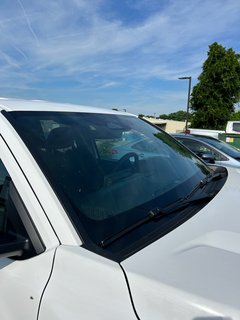
If you can still, negotiate a direct billing relationship with your chosen glass supplier that aligns with your insurer’s community. That way you sidestep returned‑and‑forth approvals for routine jobs. Keep VINs, glass treatments, and sensor configurations in your fleet administration formulation, not on sticky notes. When a technician asks for the glass code, you should still be capable of give it inside minutes. This roughly knowledge hygiene turns every one job right into a 60‑minute assignment instead of a three‑hour errand.
Procurement and portions pitfalls that waste time
Not all glass catalogs are same. Vehicles with distinct windshield versions can stump even seasoned elements humans. A unmarried variation yr could have 3 varied digicam brackets. If you be given the incorrect glass at eight a.m., your motive force loses a shift. The undeniable fix is a preflight activity: for the best 5 items on your fleet, construct a instant reference with VIN breakpoints, area numbers, sensor notes, and any required clips or moldings. Bonus issues for those who attach footage of the digital camera housing and the dots trend around the reflect discipline. Parts workforce can in shape pix at some point of ordering to dodge error.
Don’t omit weatherstrip moldings. Some windshields reuse the common molding, whereas others require a new one. Reusing a hardened molding on older taxis ends up in wind noise proceedings. You can remedy that on return visits, yet it’s a long way more affordable to change it in the course of the task. Stocking easy moldings at the depot prevents dead time whilst a tech discovers a brittle piece halfway by means of removing.
The rhythm of an exceptional fleet glass program
An helpful program has 3 traits: it captures incidents early, it standardizes components and steps, and it fits the fleet’s time table devoid of drama. That sounds abstract, so here is the way it performs out in on daily basis operations.
- Create a trouble-free reporting loop. Drivers photo chips and cracks inside the app, elect the position, and publish inside minutes. Dispatch gets a comparable‑day agenda choice for restore or substitute, relying on standards you put. The fleet manager sees a weekly abstract, now not a each day flood. Standardize by way of vehicle workforce. For each and every version, opt on glass supply, adhesive, molding coverage, and calibration method. Document secure power‑away times by way of temperature band so night time shift supervisors can plan parking. This provides technicians a predictable listing and decreases variability. Align with renovation home windows. Fold glass work into oil change or tire rotation slots while conceivable. If your depot runs a nighttime shift, target for installations that therapy by way of morning handoff. In bloodless months, reserve a heated bay for the closing hour of the healing for the final vehicle within the queue.
These factors turn glass paintings from an interruption into a pursuits. I’ve viewed fleets minimize unscheduled downtime by way of a quarter virtually with the aid of committing to this format.
Handling facet and rear glass: turbo, however not normally simpler
Side windows and returned glass in general get replaced turbo than windshields. They don’t desire ADAS calibration, and the adhesive setups fluctuate. Yet they introduce their own challenges. Tempered aspect glass shatters into beads, leaving particles in door cavities that rattles for months if no longer utterly cleaned. Rear defroster grids require careful handling or you prove with lifeless zones that irritate drivers on frosty mornings. Hatchbacks and vehicles may well cover wiring harnesses close the glass area. If you change rear glass in a piece van with aftermarket panels that lack the original tint or shading, drivers record hotter cabins and more glare.
Take measurements earlier than removing once you are managing older taxis which have custom partitions or mounts close the rear glass. A millimeter off can mean a misaligned seal or a niche that whistles at road pace. And even as side glass installs are quickly, securing the door panel clips and vapor barrier wisely saves you from go back visits when a window change stops working via moisture.
Training and dealer alternative: what to ask for
Any shop can say they cope with fleets. You need evidence. Ask approximately their revel in along with your specified car types, how broadly speaking they operate ADAS calibrations, and no matter if they store urethane lot numbers for each activity. Look for a plan for severe weather days, considering that these are precisely while rock chips spike and whilst adhesives combat. Ask for sample documentation: a job sheet that lists aspect numbers, primer times, and calibration output. If a supplier invests on this point of detail, they are going to treat your fleet as a device, no longer a chain of 1‑offs.
On your part, invest in driving force briefings and depot logistics. Provide transparent space for cellphone techs, entry to chronic, and a staging desk so the glass remains refreshing. Little touches like a microfiber stack and a sealed purifier bottle minimize illness dangers. A seller partnership is a two‑means side road. The premier outcome come whilst equally facets realize their responsibilities.
Weather approach: plan for seasons, no longer surprises
Winter storms and summer season warmness waves disclose susceptible features in glass policy. In winter, agenda replacements to maximize indoor therapy time. In areas in which salt vehicles throw gravel, expect chip incidents to upward thrust the day after a snow match. Pre‑function chip restoration kits or line up added phone capacity all through the ones weeks. In summer season, color matters. Cars parked in direct solar hit inside temperatures that struggle towards a few adhesives and boost motive force dash rigidity. Consider rotating cars into shaded places throughout the time of adhesive medication home windows. None of it truly is problematical, however it calls for a calendar view rather then a everyday scramble.
The human issue: hold drivers inside the loop
Drivers care approximately two matters on this context: protection and now not wasting hours. If they think glass work is a black box that steals their shift, they’ll extend reporting worries. Share the plan. Show them how quick chip maintenance shop them on the road. Let them realize the big difference among a repairable chip and a crack that requires windshield substitute. If they realise that a good‑timed report on Tuesday prevents a Saturday outage, they take part. Many fleets underestimate the electricity of a quick message on the start off of a shift that asserts, “If you might have a brand new chip, image and post via midday for a identical‑day repair.” Participation climbs whilst drivers see that promise fulfilled at all times.
Technology is helping, but subject wins
Telematics can log harsh braking and route data. Cameras see impacts. Some approaches can flag sudden movements that correlate with rock strikes. These methods help, yet they paintings simplest if an individual appears to be like at the knowledge and acts quickly. A straight forward rule beats fancy application if no person tests indicators. Assign a coordinator who experiences incident flags once consistent with day and initiates restoration or substitute scheduling. That behavior reduces missed windows for upkeep and helps to keep your counts tidy.
A purposeful blueprint for the next quarter
If you are building or refreshing your vehicle glass technique for taxis and fleet cars, focus on just a few functional actions that yield outsized consequences.
- Map your top 5 motor vehicle items and outline default glass, adhesive, molding, and calibration preferences for every, with area numbers connected. Set a 48‑hour restore coverage for small chips and push fast reporting thru your driver app, then monitor what number repairs convert to replacements over a month. Choose a principal glass partner and a backup, make certain their calibration competencies, and set up documentation ideas with pattern reviews kept on your system. Align scheduling with repairs windows and set temperature‑based mostly healing regulations, extraordinarily for evening paintings and winter operations. Audit 5 to ten carried out jobs according to month for are compatible, calibration facts, and motive force feedback, then alter the playbook dependent on what you to find.
Small, repeatable approaches beat advert hoc heroics. A blank process makes finances conversations less difficult, on the grounds that one can display the correlation among speedy chip maintenance, fewer replacements, and learned uptime.
Final techniques from the carrier bay
The splendid fleet glass programs believe dull, and that may be a praise. They run on schedules, quiet standards, and checkable documentation. Drivers see fewer surprises, managers spend much less time juggling, and the cars gift nicely to patrons. There is craft in the work, even if it appears pursuits. The excellent urethane bead, an appropriate torque on a reflect bracket, the cautious cleansing of a digicam lens previously calibration, these particulars add up.
Auto glass alternative seriously isn't the flashiest portion of walking taxis or shipping automobiles. But it sits on the intersection of protection, productivity, and buyer belief. Treat it with the dignity it deserves, use high‑excellent auto glass wherein it counts, persist with using on windshield alternative calibrations, and avoid the reporting path uncomplicated. Do that, and your fleet will roll greater miles with fewer headaches, that is the whole factor of the company.